Revolutionizing Cancer Care: The Latest Breakthroughs and Essential Insights for Patients and Survivors
In the world of oncology news, where breakthroughs can change the very fabric of cancer care, there's a palpable sense of excitement among patients and healthcare professionals alike. Imagine waking up one day with the knowledge that your battle against cancer could be fought with not just traditional methods, but cutting-edge therapies that might seem more like science fiction than reality. As we delve into the latest advancements shaping modern oncology, we can’t help but wonder: what does the future hold for those navigating the complexities of cancer prevention and survivorship?
One of the most exhilarating aspects of contemporary oncology is the evolving landscape of tumor research. With innovative approaches to disease management, medical breakthroughs in targeted therapies and immunotherapies have emerged as game-changers. This year, several clinical trials have shown promising results, leading to the development of personalized treatment plans that cater to the unique biology of an individual's cancer. As patients, how often do we consider the role of these groundbreaking therapies in our journey towards recovery? Are we informed enough about our options and the potential impacts of lifestyle changes for cancer?
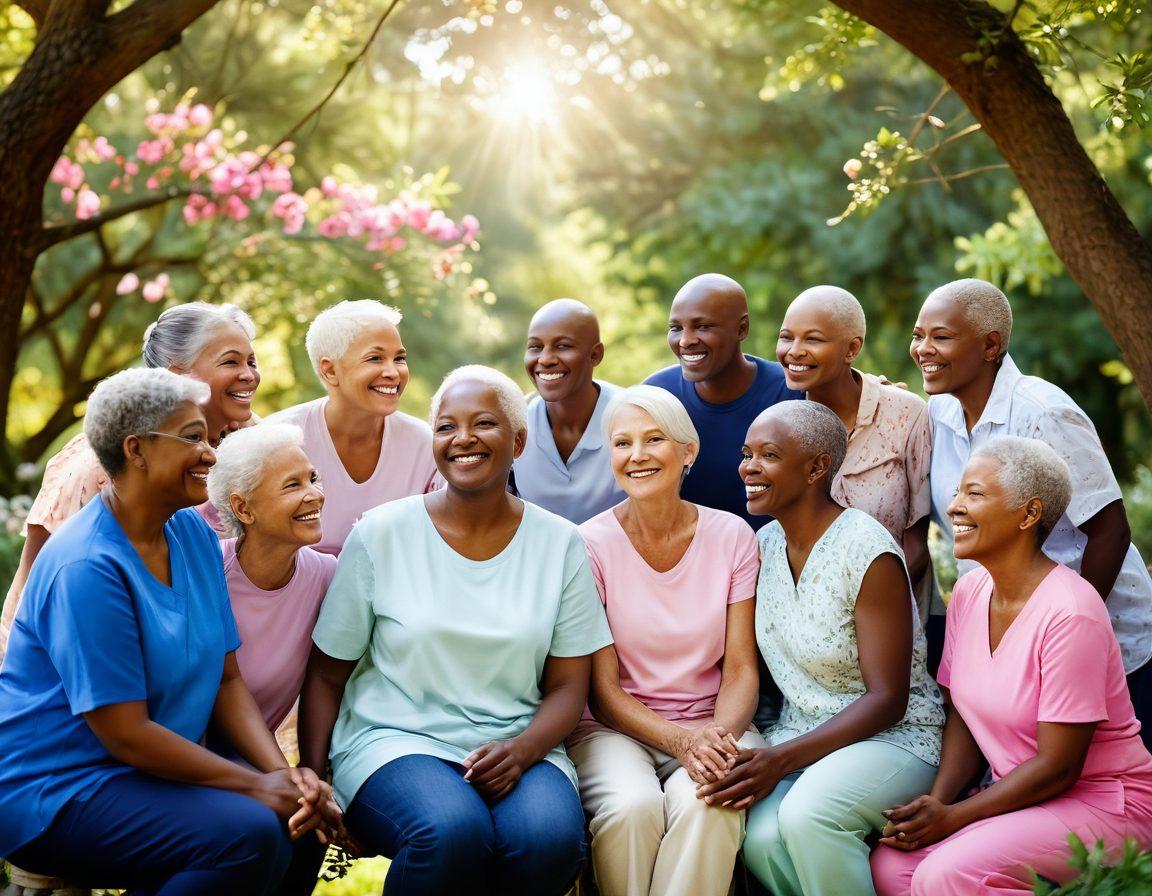
As we embrace holistic health and integrative medicine, we come to understand that cancer is not just a disease; it's a multifaceted battle requiring comprehensive care. The rise of patient advocacy groups and cancer support organizations illustrates a shift towards the patient-centered approach in healthcare. Engaging with these resources can empower patients with vital health information, helping them navigate their treatment journey. So, do you feel supported in your fight against cancer? Are you making the most of the resources available to you?
Moreover, the narrative of survivorship is being rewritten as patients become more informed participants in their healthcare decisions. Awareness of one's symptoms and understanding how to effectively manage them can drastically alter the trajectory of recovery. If you had access to cutting-edge oncology education, how might you adapt your lifestyle to bolster your health and well-being? Today’s health blogs are filled with actionable advice, from nutrition tips to stress management techniques, that can help in this regard — tapping into the power of community and shared experiences in cancer treatment.
In conclusion, the advances shaping modern oncology are not just about innovative therapies and clinical trials; they are about the interconnectedness of healthcare, patient empowerment, and a collective hope for a future where cancer is less feared and more managed. Together, let’s join the conversation — whether in cancer support groups or online forums — as we spread cancer awareness and share knowledge. Are we ready to champion the cause and become advocates for change in the world of cancer care?
Essential Tips for Empowering Cancer Patients and Enhancing Survivor Well-Being
When facing a cancer diagnosis, the journey ahead can feel daunting. However, amid oncology news and groundbreaking medical breakthroughs, the power to shape one's path is often overlooked. It's crucial for cancer patients and survivors to empower themselves with essential tips that not only enhance their well-being but also promote a proactive approach towards their health. The conversation around cancer is shifting, leading to a new era where patients are not just recipients of care but active participants in their recovery journey.
Imagine being equipped with the knowledge to navigate the tangled web of disease management. This is where awareness and education come into play. Understanding your condition, the latest cancer therapies, and the nuances of symptom management allows you to make informed decisions. As the saying goes, 'Knowledge is power.' Access to reliable health information, patient resources, and health blogs can serve as a beacon of hope as you explore your options. Have you considered which sources can provide you with trusted, up-to-date oncology education?
Lifestyle changes for cancer can be pivotal in enhancing survivor well-being. From embracing a balanced, nutritious diet that's rich in cancer prevention properties, to incorporating physical activity and mindfulness practices, survivors can reclaim their sense of agency. Why not take a moment to reflect on how certain lifestyle choices can positively influence your health journey? Integrative medicine approaches, which look at both conventional and holistic health practices, can work wonders. Learning about tumor research and clinical trials can give patients insights into cutting-edge treatments that might be suitable for them.
Furthermore, connecting with cancer support groups can be a transformative experience. Having a support system in place can help patients feel less isolated in their battle. Sharing experiences, struggles, and victories fosters a sense of community while also reinforcing resilience. Are there local or online support groups you haven't yet explored? The importance of patient advocacy cannot be overstated - having a voice in your care and being a part of conversations about treatment plans can significantly influence outcomes.
Lastly, remember that survivorship is a continuous journey. It’s not merely about surviving cancer; it’s about thriving after it. Engaging in regular follow-ups and staying informed about the latest developments in oncology news can keep you involved in your care long after treatment has ended. Combining all these tips into a cohesive approach—support from healthcare professionals, patient resources, lifestyle changes, and community connection—can lead to a fulfilled and empowered life. What steps will you take today to advocate for your health and well-being?
Unveiling the Future of Cancer Therapies: From Prevention to Support
In the vast landscape of healthcare, few topics generate as much discussion and hope as cancer care. It often feels like a science fiction narrative, where each day brings new oncology news that pushes us closer to revolutionary breakthroughs. But what does the future truly hold for cancer therapies? From the early stages of cancer prevention to comprehensive support systems, this journey is one intertwined with resilience, innovation, and the indomitable spirit of survivorship. As we peel back the layers, it becomes clear that the future of cancer care is not just about prolonging life but about enhancing the quality of it at every turn.
Imagine walking into a clinic that not only treats your cancer but also empowers you with essential health information and medical advice tailored to your unique situation. The integration of technology and personalized medicine has shifted the paradigm of cancer therapies, where individual profiles are utilized to create custom treatment plans. Moreover, innovations in tumor research are unveiling secrets that could potentially lead to earlier detection and more effective interventions. Have you ever wondered how a simple lifestyle change can significantly impact disease management?
Cancer prevention is not just a phrase; it's a powerful movement. The future will see an expanded focus on holistic health and preventive measures that encompass dietary changes, exercise, and even mindfulness practices. Moreover, comprehensive patient resources and cancer support groups act as a backbone to this initiative, fostering an environment where patients can share experiences, strategies, and support. By engaging with these communities, patients can better navigate their journeys, allowing them to reclaim their lives in ways that traditional therapies alone cannot.
Clinical trials are the lifeblood of medical breakthroughs. As researchers dive deeper into integrative medicine, groundbreaking therapies emerge that combine conventional treatments with complementary approaches. This synergy not only targets the physical aspects of cancer but also addresses emotional and psychological well-being, marking a significant shift towards symptom management and survivorship. If you’re a patient or caregiver, have you explored the latest clinical trials that might offer hope beyond conventional pathways?
Ultimately, patient advocacy plays a critical role in shaping the future of cancer care. By staying informed through health blogs and oncology education initiatives, advocates can amplify their voices, ensuring that the needs of those affected by cancer are prioritized. This empowerment leads to robust discussions around cancer awareness, funding for research, and policies that promote better healthcare access. Together, as a community, we can shift the narrative from survival to thriving—a journey of strength, hope, and continuous learning.